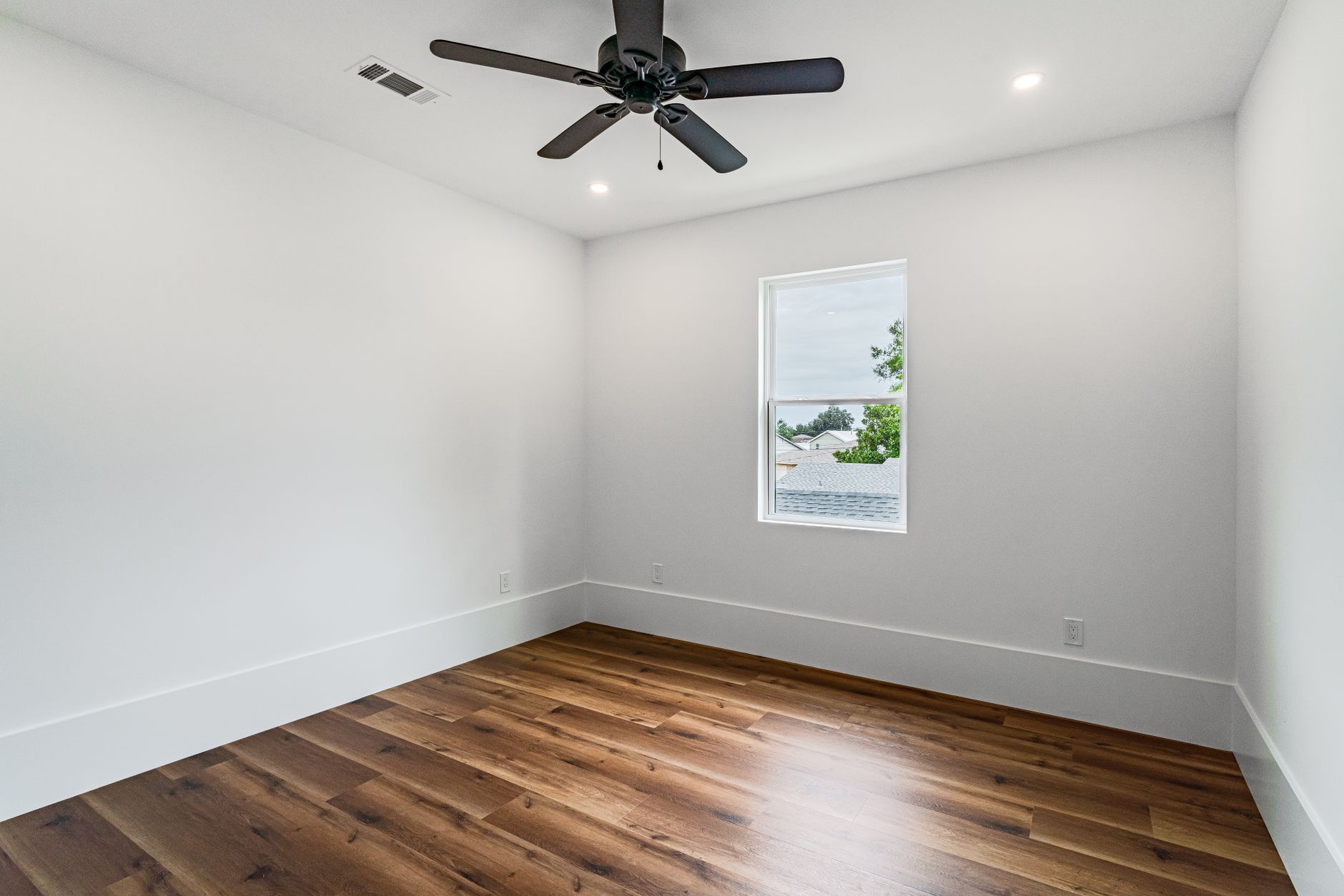
Why Missouri Floors Move: Clay, Seasons and What It Means
The ground under a large part of this state is not still. It swells when it is wet and shrinks when it dries, and floors are the part of the house that shows it first.
What the soil actually does
Western Missouri, from the Kansas City metro south, sits on montmorillonite clay — 60 to 80% clay content, rated very high for shrink-swell. It takes on water and expands by several per cent by volume, then contracts as it dries. Over a full wet-dry cycle the ground surface can move one to two inches vertically.
It does not move evenly. Movement follows moisture, and moisture follows drainage, downspouts, slope and tree roots — so one corner of a house can be doing something different from the opposite corner in the same season.
It is not the same everywhere in the state
- Kansas City metro and the western counties. The heaviest expansive clay, and where seasonal heave is most pronounced.
- St. Louis. The same problem arrives mostly as clay backfill placed around foundations rather than as native ground.
- Central Missouri. Clay gives way to loess and glacial deposits; shrink-swell drops from very high to moderate.
- Springfield and the Ozarks. Shallow bedrock and chert instead — a different substrate problem rather than the same one.
What it means for a floor, and what it does not
It does not mean anything is wrong with a house. Out-of-level is extremely common here and by itself tells you nothing alarming. What it means is that which floor you buy is a technical decision rather than only an aesthetic one, because materials differ enormously in how they handle a substrate that shifts.
Bonded assemblies — tile, natural stone, glued-down plank — have to move exactly as much as whatever they are stuck to, and when they cannot, the stress goes into the grout and the tile. Floating assemblies — vinyl plank, laminate, floating engineered wood — are not attached, so small substrate movement passes underneath them.
Common questions
Should I be worried about my house?
This site is about floors, not foundations, and nothing here is a diagnosis of a building. What we can say usefully is that seasonal ground movement is normal in this state and that it changes which flooring material is a sensible bet.
Does new construction avoid it?
No — newer subdivisions are frequently built on graded and filled clay, and fill that has been through only a few seasons is the case most actively still moving.