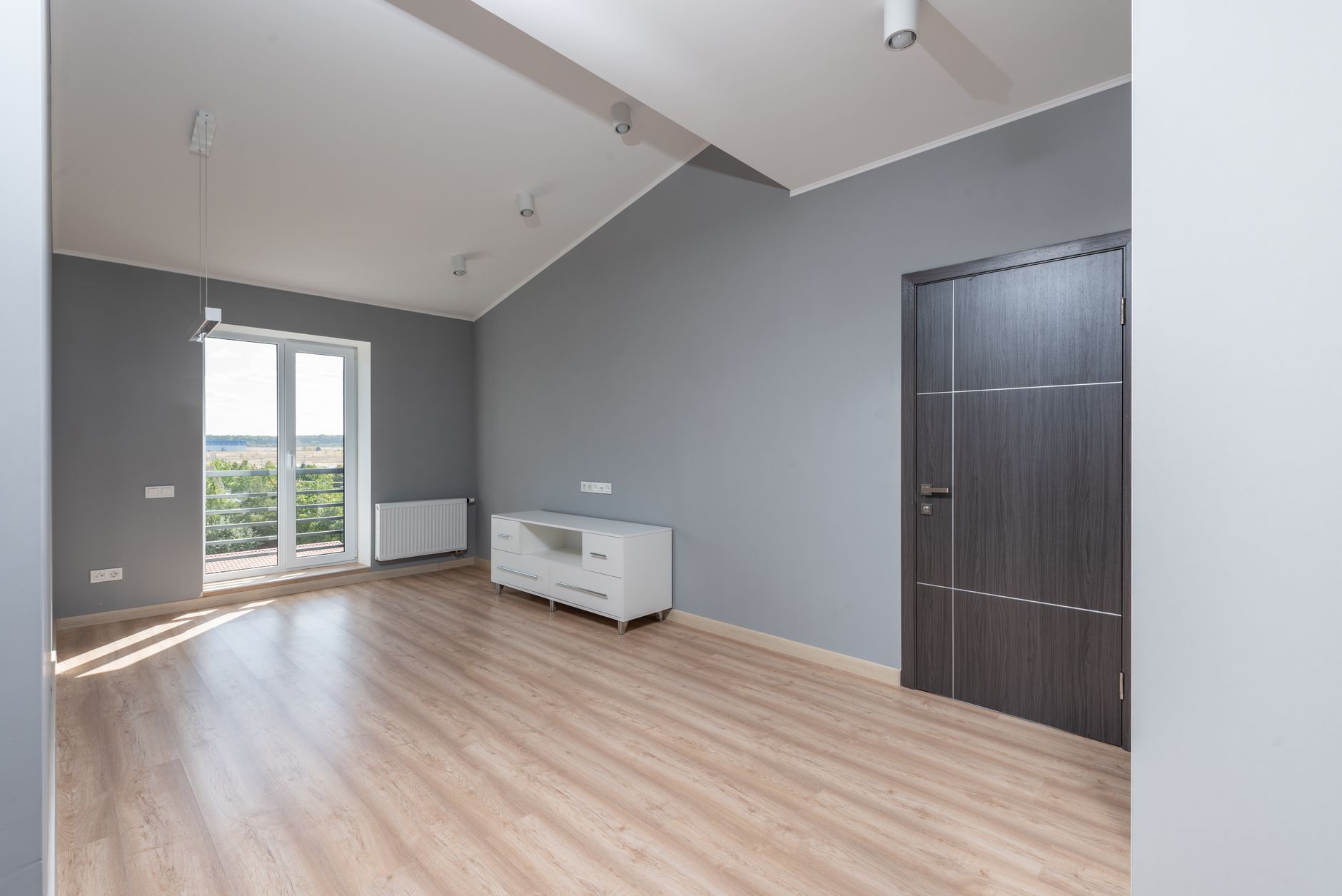
A floating floor sits on top of the subfloor, locked to itself but not glued or nailed down, so it can move slightly as the house moves. A bonded floor is fixed permanently to the subfloor with adhesive or mortar. The choice is not a style preference — it is decided by the material, the subfloor underneath it, and what the room will do to it over time.
What does a floating floor actually mean?
A floating installation locks planks or tiles to each other along their edges, usually with a click-together profile, and lets the whole assembly rest on a thin underlayment. Nothing attaches it to the subfloor below. The floor expands and contracts as a single sheet, which is why installers leave a gap at the walls that the baseboard or quarter-round later covers.
Luxury vinyl plank and laminate are built for this. Engineered hardwood is sometimes floated, though it can also be glued or nailed depending on the product and the room. A floating floor tolerates minor subfloor imperfections better than a bonded one because the underlayment and locking system absorb small irregularities rather than transmitting them straight up through the surface.
What does a bonded floor actually mean?
A bonded, or glue-down, installation fixes the material permanently to the subfloor with adhesive or, for tile and stone, thinset mortar. There is no slip layer and no expansion gap doing the forgiving work. Whatever shape the subfloor is in, the finished floor repeats it.
Tile, natural stone, sheet vinyl, and solid hardwood are the common bonded materials, though solid hardwood is more often nailed than glued. Bonded floors transmit subfloor flaws directly — a hump, a dip, a seam between two sheets of plywood — and they are far less forgiving of the kind of out-of-plane movement that a floating floor simply rides over.
Which materials actually come in both forms?
Not every material has a real choice here. Luxury vinyl plank and laminate are almost always floated, and most manufacturers only warranty them that way. Engineered hardwood is the one product genuinely sold both ways, with the method usually specified by the manufacturer rather than left open. Tile, stone, and sheet vinyl are bonded by design and are not offered as floating products for a residential floor that needs to perform long-term.
The practical question for most Missouri homeowners is narrower than it sounds: given the material already chosen, is the method actually a decision, or is it already made? The materials hub breaks down what each of the eight common flooring types is built to do and where each one is the wrong answer regardless of installation method.
Does floating or bonded cost more in Missouri?
The material itself costs roughly the same statewide — it is a national commodity shipped to a big-box warehouse in St. Louis the same way it is shipped to one in Springfield. What moves the number is labor, and labor runs about 12% higher in the Kansas City metro than in the Ozarks, with St. Louis metro, Central Missouri, and Northwest Missouri falling in between.
That regional swing matters more for bonded floors than floating ones, because bonded installation is mostly labor: mixing and setting thinset, leveling a subfloor, cutting tile or stone to fit. A floating click-lock floor goes down faster and with fewer labor hours per square foot, so the regional difference moves it less.
- Luxury vinyl plank (installed, mostly floating): $2-$12 per square foot
- Laminate (installed, floating): $3-$10 per square foot
- Hardwood (installed, floated or bonded depending on product): $6-$21 per square foot
- Tile (installed, bonded): $9-$14 per square foot
- Natural stone (installed, bonded): $15-$40 per square foot
These are planning ranges this site publishes and tracks, not a quote for a specific room — the final number depends on square footage, subfloor condition, and the installer’s own pricing. The flooring cost estimator applies the regional labor multiplier automatically and gives a tighter range for a specific address and material. The cost hub lays out the same ranges by city and material side by side.
Where does subfloor condition decide the method?
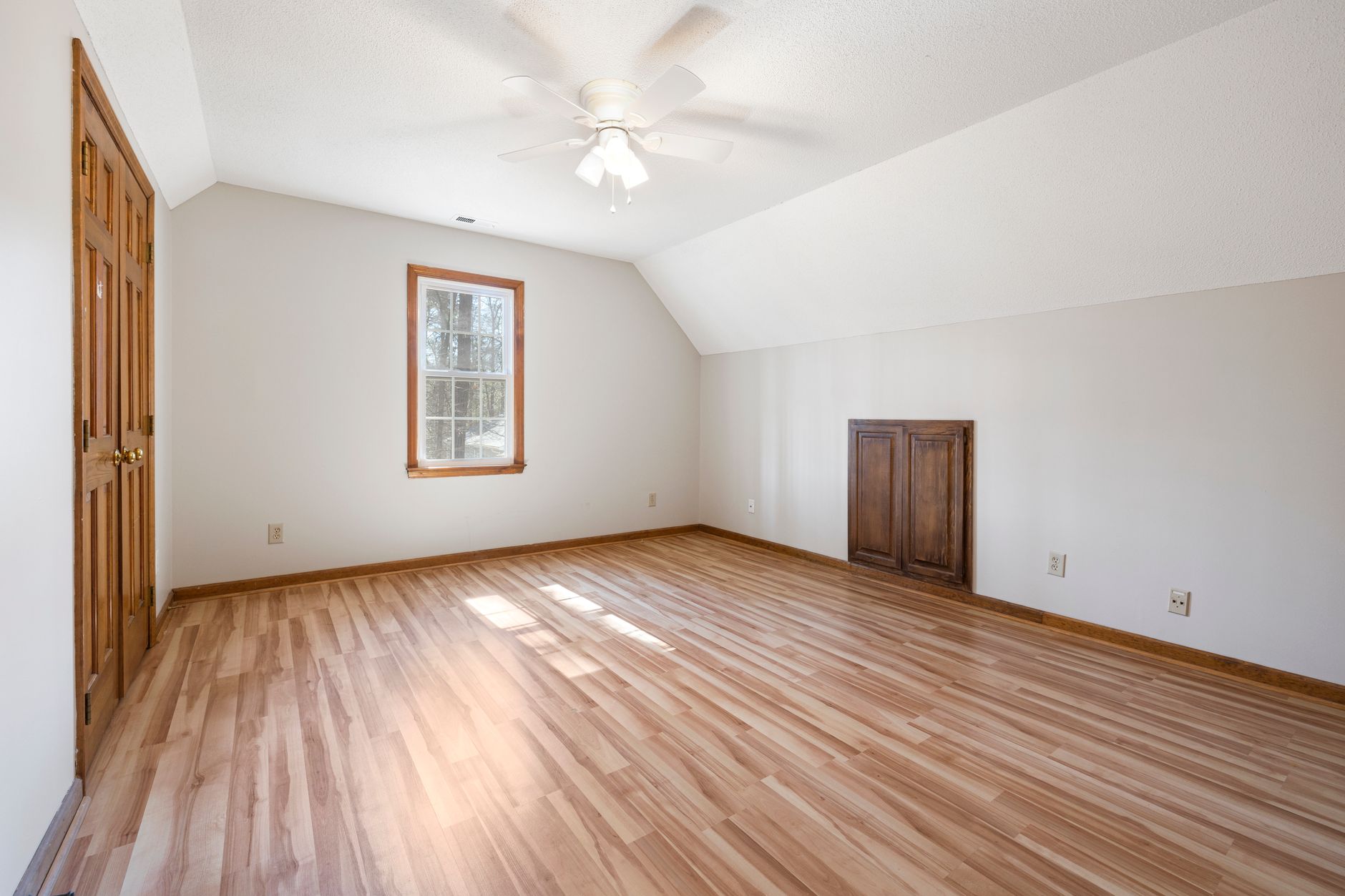
Flat, dry, and solid is the standard both methods are measured against, but bonded floors are far less tolerant of a subfloor that fails it. Tile and stone over an out-of-plane subfloor crack along a predictable line as the substrate flexes beneath them — a pattern worth understanding before committing to a bonded material in an older house.
Most flooring warranties reference a flatness tolerance of roughly 3/16 inch over 10 feet, and that tolerance exists because bonded materials have essentially no room to spare. A floating floor’s locking system and underlayment buy some margin; a thinset bed does not. Reading a subfloor before committing to a method is a ten-minute job with a straightedge, and it tells a homeowner more than any sales conversation will.
Preparation is the part of a flooring budget that disappears once the job is done and the part a tight budget should fund first, not last. The installation and prep archive covers leveling, moisture, and subfloor repair in more detail than belongs in a single article.
Where does each method fail?
Floating floors are the wrong answer under anything permanently bonded to the wall or to fixed cabinetry, and under heavy, stationary furniture that can telegraph through a click-lock seam over years. They are also a poor match for a room that sees standing water regularly, since a floating floor’s seams are not sealed the way a bonded, grouted tile floor’s are.
Bonded floors are the wrong answer in a room with an unresolved subfloor problem, because the fix becomes permanent along with the floor on top of it. They are also a poor fit for a homeowner who wants to change materials again in a few years — removing thinset-set tile is close to a demolition, while a floating floor lifts out in an afternoon.
Neither method substitutes for deciding whether the floor already underneath is worth keeping in the first place. That decision belongs to the refinish-or-replace hub, and it should happen before a method is chosen, not after.
What do quotes usually leave out on this decision?
Four line items separate an accurate bid from a surprise invoice, and they apply differently depending on the method:
- Subfloor repair, per sheet. A bonded installation that finds rot or delamination under the old floor needs new decking before thinset or adhesive goes down. A floating installation can sometimes tolerate a minor repair the bonded method cannot.
- Cut-and-waste allowance. Tile and stone generate more cutoff waste than click-lock plank, and the contract should say who keeps the offcuts.
- Removal and disposal of the old floor. This runs $1-$4 per square foot on its own and is sometimes priced separately from installation labor.
- Transitions and thresholds. A floating floor needs an expansion gap at every doorway and a transition strip to cover it; a bonded floor usually does not, but it does need a transition wherever it meets a different material at a different height.
Agreeing on all four before signing is the entire point of the flooring quote hub, and it is the single most useful thing a homeowner can do with a contractor conversation.
Does the age of the house change the answer?
Older housing stock is a clue to subfloor condition, not a verdict on it. St. Louis has a median year built of 1938, with 57.9% of homes predating 1940; St. Joseph sits at 1962 with 27.5% that old. Newer metro suburbs like O’Fallon (2000, 0.8% predating 1940) and Lee’s Summit (1994, 3.1%) are statistically less likely to carry decades of settling and old subfloor patches, though any individual house can defy its city’s median.
That age pattern matters most for bonded materials, since a subfloor that has had longer to shift is more likely to be out of the flatness tolerance a bonded floor needs. It does not decide anything by itself — a straightedge check does that — but it is a reasonable starting expectation. The city-by-city hub and the Old Missouri Houses archive go further into what different housing ages typically mean for a flooring project.
Frequently asked questions
Can a floating floor be installed over tile that’s already glued down?
Often yes, provided the existing tile is flat, stable, and free of loose grout lines — the tile effectively becomes the subfloor. A straightedge check and a look for cracked or hollow-sounding tile should happen before assuming this works.
Is a floating floor less durable than a bonded one?
Not inherently. Durability depends more on the wear layer and the material than on the attachment method. A well-installed floating luxury vinyl plank floor can outlast a poorly bonded tile floor over a cracked subfloor.
Can engineered hardwood be glued down instead of floated?
Many engineered products are rated for either method, but the manufacturer’s specification decides it, not preference — gluing a product only rated for floating installation can void its warranty.
Does floating flooring need a permit in Missouri?
Permit requirements are set locally, not by the state, and they vary by municipality and by project scope. Checking with the local building department before starting is the right next step, not assuming either method is exempt.
Choosing between floating and bonded is really a question about what the subfloor can support and what the room demands over time, not a question of which one looks better in a showroom. Getting the subfloor answer right first makes the rest of the decision mostly automatic.
MOFloors is an independent Missouri flooring resource. We do not sell or install flooring, we do not quote jobs, and nobody from this site will call you. Cost figures here are published planning ranges for Missouri, not quotes — what you actually pay depends on your rooms, your subfloor and the material you choose, and the final price depends on your project. Photography is licensed stock used to illustrate materials and rooms; it is not work by anyone connected to this site. Building code and permit requirements are enforced locally in Missouri, so confirm anything regulatory with your own municipality before you rely on it.
Any prices mentioned are indicative only. Tool prices move constantly and vary by market, by retailer, and by whether a kit includes batteries or a charger — check the current price yourself before deciding.
Featured image: Photo by Max Vakhtbovych via Pexels.