Flooring materials for Missouri houses
What each one is good at, what it costs installed here, and the rooms where it is the wrong answer.
Eight kinds of floor
What each one is good at, what it costs installed here, and the rooms where it is the wrong answer.
Hardwood
Solid and engineered. Still the best resale return on this list.
Luxury Vinyl Plank
Floats rather than bonds, so it rides over ground that still moves.

Carpet
Bedrooms and stairs — and the first thing to go after water.
Refinishing
Sand, stain and seal the boards already under the carpet.
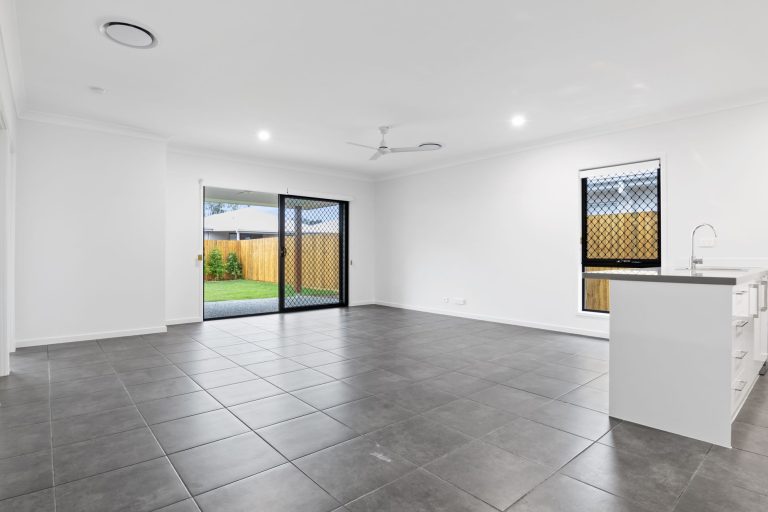
Tile & Porcelain
Hard-wearing, and the one that cracks if the ground moves under it.
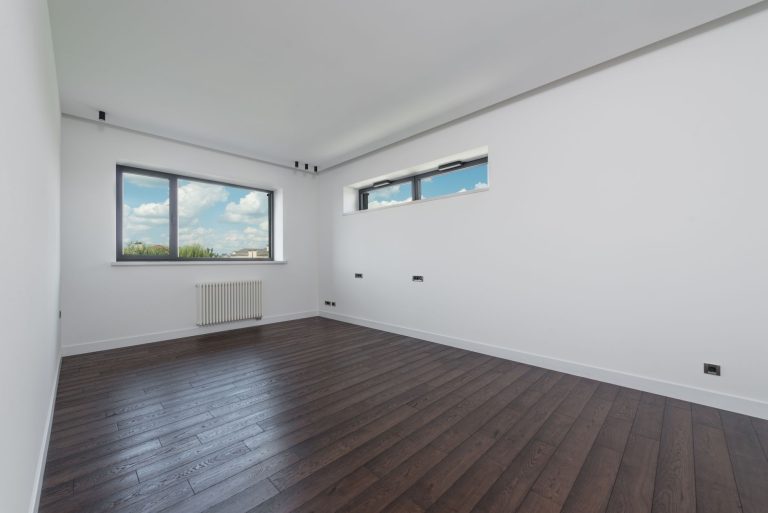
Laminate
The budget end done properly — and where it is a false economy.
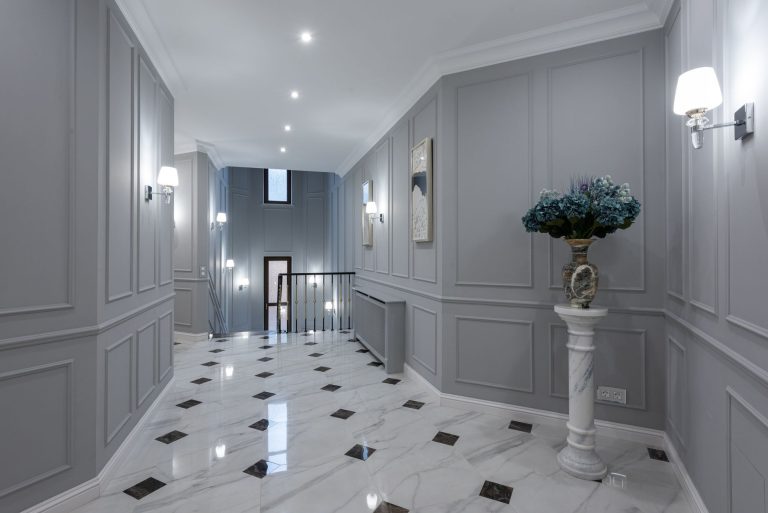
Natural Stone
Entries and great rooms, where the floor does the talking.
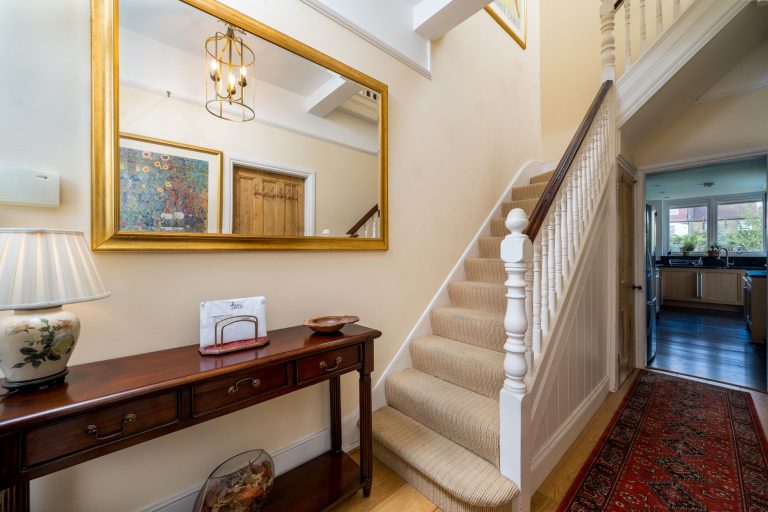
Stairs & Landings
Treads, risers and railings, raised-floor houses included.
Installed ranges across Missouri
Materials and labor together. The Kansas City and St. Louis metros set the top of each band, central Missouri sits under them, and northwest Missouri and the Ozarks below that. Only the labor half moves — material is a national commodity.
| Work | Installed range | |
|---|---|---|
| Hardwood, installed | $6 – $22 | per sq ft |
| Luxury vinyl plank | $2 – $12 | per sq ft |
| Carpet, installed | $2 – $8 | per sq ft |
| Laminate | $3 – $9 | per sq ft |
| Refinish existing boards | $3 – $8 | per sq ft |
| Tile, installed | $9 – $15 | per sq ft |
| Removing the old floor | $1 – $4 | per sq ft |
An estimate, not a quote. These are planning ranges for Missouri, not a quote. What you actually pay depends on your rooms, your subfloor and the material you choose.
Choosing between them
In a Missouri house the choice is narrowed by the building far more than by taste. Three questions settle most of it:
- Is it on a slab, and how old is the slab? On concrete that has not tested dry, wood and laminate are a bad bet and rigid-core luxury vinyl plank or tile is the answer until it has.
- What is the subfloor? A diagonal plank subfloor takes nailed solid hardwood and carpet directly. Everything else wants an underlayment or an overlay first, and that is a real cost. How to identify yours.
- How much does the floor move? Framed floors deflect and rigid materials crack. Tile and stone need a deflection check before a product is chosen, not after — and on a slab the equivalent question is whether there is an existing crack to isolate.
And one that comes before all three: is there already a hardwood floor under the carpet? In a great many Missouri houses there is, and refinishing it costs roughly a third of replacing it.
Questions people actually ask
My floor is not level. Is that a problem?
Not by itself, and in Missouri it is common. The question is whether it is still moving. A house that settled decades ago has found its level: the floor can be brought flat with levelling compound and then take any material. A newer house on graded clay may still be working through its first seasonal cycles, and there the sensible answer is a floor that tolerates a little movement. Neither case means anything is wrong with the house.
Why does tile crack here and vinyl plank does not?
Because tile is bonded to the substrate and vinyl plank usually floats on it. A bonded assembly has to move exactly as much as whatever it is stuck to, and when it cannot, the stress goes into the grout and the tile. A floating floor is not attached, so small substrate movement passes underneath it. If you want tile over ground that moves, the answer is an uncoupling membrane and a properly flat substrate, and it is worth paying for both rather than hoping.
How flat does my floor actually need to be?
Most plank manufacturers specify around 3/16 in over 10 ft, and tile — particularly large-format — wants closer to 1/8 in over 10 ft. Lay a ten-foot straightedge on the floor and measure the biggest gap under it. That one measurement decides whether you are buying a floor or a floor plus a levelling job, and knowing it before you get quotes is worth more than any other ten minutes you will spend.
Does the whole state have this problem?
No, and the difference is worth knowing. The heaviest expansive clay runs through the western counties, from Kansas City south. St. Louis sees it mostly through clay backfill around foundations. Central Missouri transitions to loess and glacial deposits with moderate shrink-swell. Springfield and the Ozarks trade it for shallow bedrock and chert, which is a different substrate problem rather than the same one.
Should I level the floor or just lay over it?
It depends on how far out it is and what you are laying. Small deviations disappear under carpet and are tolerated by most floating floors. Anything approaching the manufacturer's tolerance needs correcting first, and anything bonded — tile, stone, glued plank — needs it correcting properly. Laying a rigid floor over a substrate that fails the flatness spec is the single most common way a new floor fails early.
Do flooring installers in Missouri need a license?
Missouri has no statewide contractor license. Licensing is local, and cities including St. Louis and Kansas City run their own registration schemes, so requirements depend on where the work is. That is a footnote rather than a test: flooring is finish work, and an installer without a state license is the normal case here, not a warning sign. What actually separates two quotes is whether the installer measured the floor.