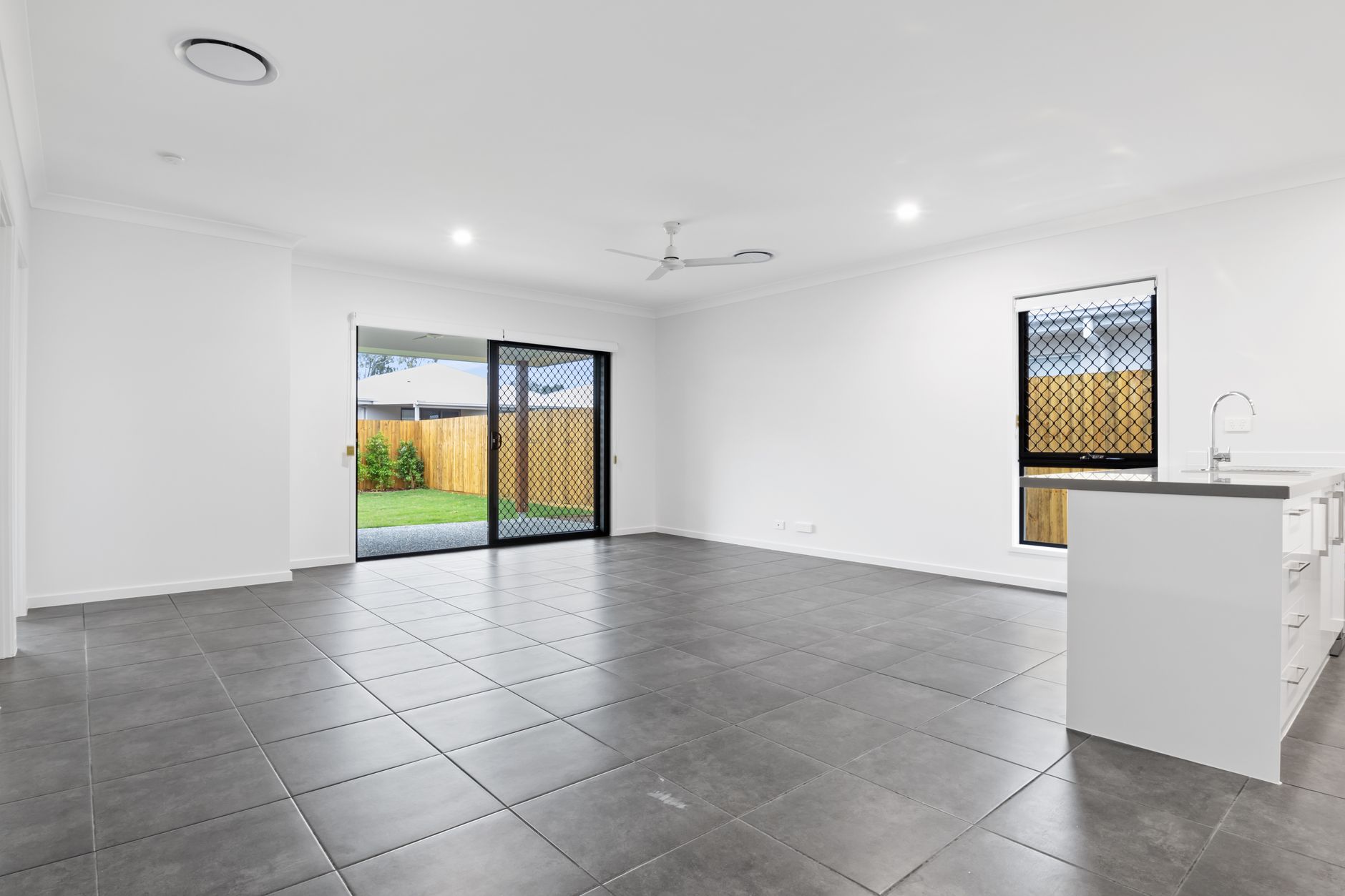
Tile Flooring in Missouri: Costs, Cracking and Uncoupling
Tile is the least forgiving floor in a state where the ground moves, and it is entirely usable here — provided the substrate is flat, stiff, and separated from the tile by something designed to take the movement.
What it costs
Installed tile runs about $9 to $15 per square foot in Missouri. It is mostly labor, so it is the material whose price varies most across the state, and an uncoupling membrane or a mortar bed adds to it. That addition is the difference between a floor that lasts and one that cracks, so it is a poor place to economize.
An estimate, not a quote. These are planning ranges for Missouri, not a quote. What you actually pay depends on your rooms, your subfloor and the material you choose.
Why tile cracks, and it is not the tile
Tile and grout are strong in compression and weak in bending. Bonded directly to a substrate, the assembly has to move exactly as much as the substrate does — and when the substrate flexes or shifts seasonally, the stress has nowhere to go except into the grout lines and the tile body. Cracks that run in a straight line across several tiles are almost always telling you about what is underneath, not about the tile.
What actually prevents it
- An uncoupling membrane. A layer between substrate and tile that allows the two to move independently. This is the single most useful thing you can specify on Missouri ground, and it is worth paying for rather than hoping.
- Flatness. Tile — especially large-format — wants nearer 1/8 in over 10 ft, tighter than plank. Lippage between large tiles is a flatness failure, not a workmanship quirk.
- Stiffness. Over a timber floor, deflection matters: the industry benchmark is L/360 for ceramic and L/720 for natural stone. A bouncy floor cracks tile regardless of how well it was laid.
- Movement joints. Large areas and every perimeter need somewhere for the floor to expand. Grouting hard up to a wall removes it.
Where it is the right answer
Bathrooms, entries, mudrooms and kitchens — anywhere water and grit are routine. It is durable, indifferent to standing water and takes an underfloor heating mat. It is also hard underfoot and cold in January, which is a comfort decision rather than a technical one.
Common questions
My tile cracked in a straight line. Why?
A straight run of cracking usually follows something underneath — a joint in the substrate, a joist, or movement the assembly could not absorb. Replacing the tiles without addressing the cause generally buys a year or two.
Is large-format tile a bad idea here?
Not bad, but less forgiving: the larger the tile, the flatter the substrate has to be, because a big rigid plate cannot follow a curve.
Can I tile over an existing floor?
Over sound, flat, well-bonded tile, often yes. Over anything that flexes, no — and that is the question to answer first.